
- CONDITIONS
TONGARIRO CROSSING WEATHER
Tongariro Crossing Weather Forecast
The table shows the Tongariro Crossing weather forecast for the next six days.
Please note that the weather can be unpredictable, and you should always check the forecast before you depart.
If you’ve booked a car park and shuttle, the car park team will email you the night before your crossing if the track is closed.
Tongariro Crossing Weather: What You Need to Know Before You Hike
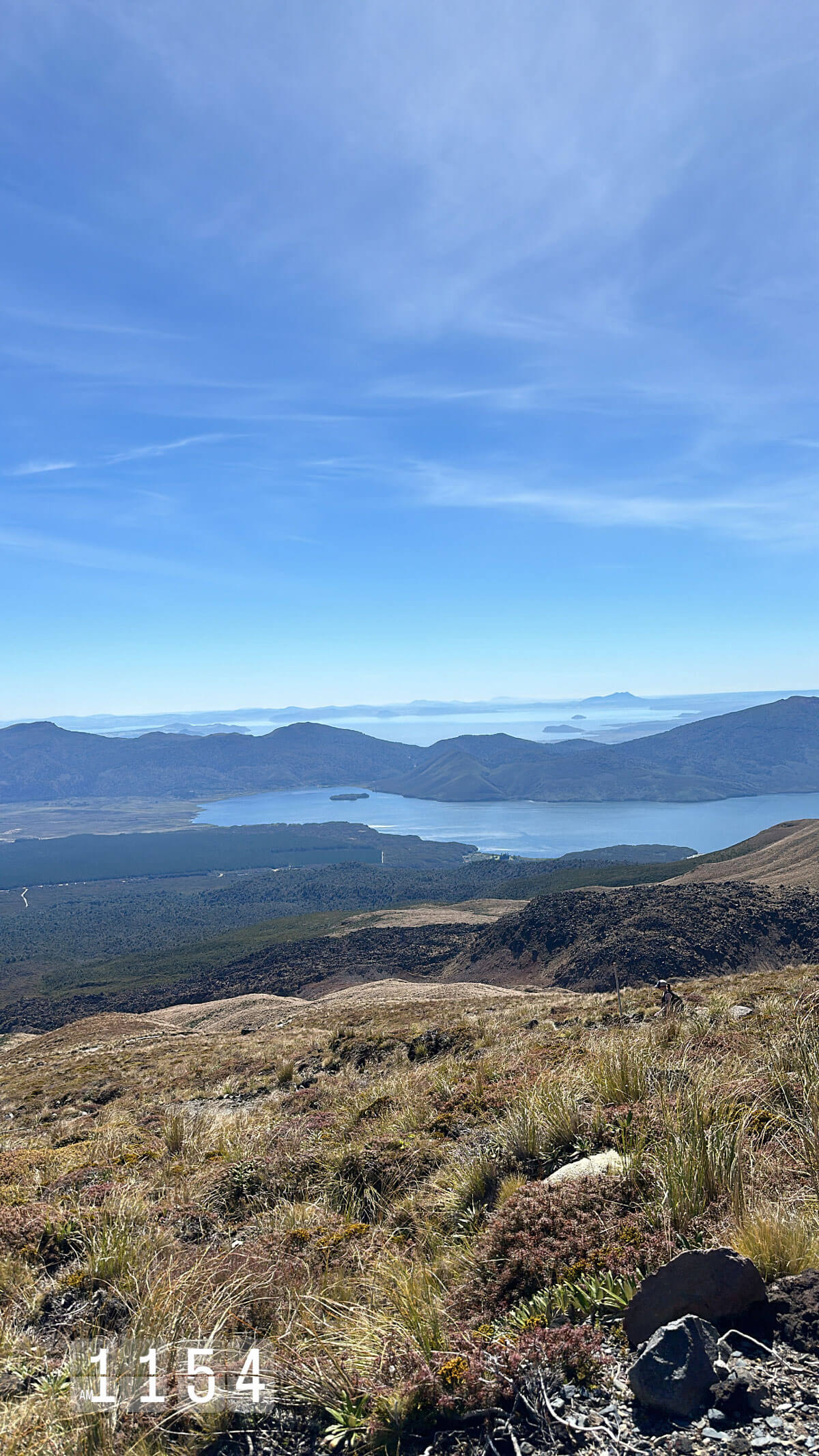
The weather in Tongariro National Park is highly changeable and can deteriorate quickly, especially in the alpine environment. Anyone planning to walk the track should be prepared for a wide range of conditions.
What Is the Weather Like on the Tongariro Alpine Crossing?
Summary: Tongariro Crossing weather is highly variable due to its alpine location. Conditions can change rapidly, with strong winds, rain, snow, and cold temperatures possible at any time of year. When conditions are unsafe, DOC advises people not to attempt the Crossing and approved shuttle services stop operating.
Below is a practical guide to understanding Tongariro Crossing weather and how it can affect your plans.
When Does the Tongariro Crossing Close Due to Weather?
The New Zealand Department of Conservation (DOC) assesses alpine weather conditions and makes decisions the afternoon before and again early on the morning of each day.
If DOC determines that conditions are unsafe, it issues a formal safety recommendation advising people not to attempt the Crossing. DOC then notifies approved car park providers, shuttle companies, and visitor information centres.
Once DOC has advised against attempting the Crossing, approved shuttle operators are not permitted to operate. This restriction is part of their operating agreement with DOC.
Read detailed information on how and why the Tongariro Crossing closes due to poor weather.
Because alpine conditions can change rapidly, it is still common for the Tongariro Crossing to be unavailable on some days during summer.
How to Plan for Tongariro Crossing Weather
The single most important piece of advice is to allow more than one day for the Crossing.
If weather prevents you from walking on your planned day, having a backup day significantly increases your chances of success. Every year, many people miss out simply because they only allow one fixed day.
While a backup day is not a guarantee, it gives you flexibility to wait for safer conditions.
Tongariro Crossing Weather by Season
The Tongariro Alpine Crossing is open year-round, but weather conditions vary significantly by season. Always check the forecast close to your planned date.
Summer Weather (December–February)
Summer is the most popular time to hike the Tongariro Crossing. Conditions are generally warmer and drier, but alpine weather risks still apply.
Be prepared for strong winds, rain, and sudden temperature drops. Typical temperatures range from 10–25°C (50–77°F).
Autumn Weather (March–May)
Autumn often brings cooler, more stable conditions and excellent visibility. Temperatures are typically 5–15°C (41–59°F).
Shorter daylight hours and early snowfall at higher elevations can occur later in the season.
Winter Weather (June–August)
Winter is the most challenging season to hike the Tongariro Crossing.
Snow and ice frequently cover the track, and conditions can be severe. A qualified guide is required, and your guide will decide whether it is safe to proceed on the day.
Temperatures typically range from -5–10°C (23–50°F), with strong winds and significant wind chill.
Spring Weather (September–November)
Spring conditions can be mixed. Snow and ice may still be present early in the season, while weather becomes milder later on.
Expect variable conditions and be prepared for anything. Typical temperatures range from 5–15°C (41–59°F).
What to Wear for the Tongariro Crossing
No matter the season, appropriate clothing is essential for safety and comfort.
Read our full guide on what to wear for the Tongariro Crossing.
Weather-Related Safety Tips
The Tongariro Crossing is a demanding alpine hike, and weather conditions can significantly increase risk.
Read our full safety guide for the Tongariro Crossing.
- Always check the latest weather forecast before starting your hike
- Carry sufficient water, food, and warm layers
- Stay on the marked track at all times
- If conditions worsen, turn back early rather than pushing on


