- Blog
Planning the Tongariro Northern Circuit After the 2025 Fire: Track Status and Alternatives
The November 2025 wildfire in Tongariro National Park has changed how hikers approach the Tongariro Northern Circuit after the fire. If you’re planning this Great Walk now, you likely have questions about which sections are closed, what routes are still available, and how to prepare.
Below is a comprehensive guide covering the current track status, alternative hiking options, hut availability, transport changes, safety tips, and the importance of respecting the rahui (temporary closure) to help the land heal.
Current Track Closures and Conditions
Fire-Damaged Sections: The Mangatepopo Track (the “Ditch” Track) – which connects Whakapapa Village to Mangatepopo Hut – was significantly affected by the wildfire. This first section of the Northern Circuit loop is closed until further notice. It sustained severe fire damage and will require major repairs before it can reopen. Hikers cannot currently travel between Whakapapa and Mangatepopo Hut via this route.
In addition, Oturere Hut (the next overnight stop past Red Crater) is closed for a rebuild. This hut was scheduled for replacement and is a construction zone this season (unrelated to the fire). The Oturere Campsite and all facilities in that area are off-limits while work is underway. This means you cannot stay at Oturere Hut or campsite on any multi-day journey.
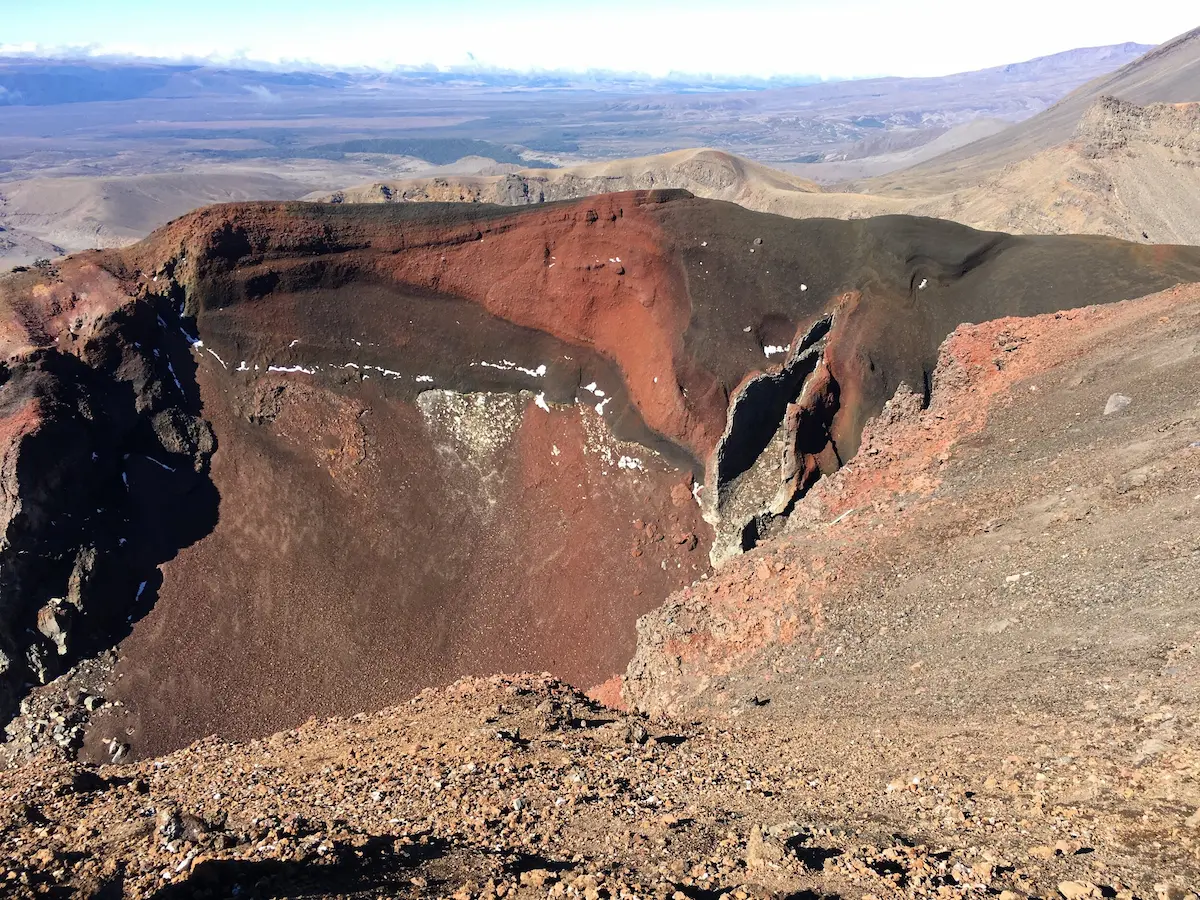
Open but Changed: Aside from the closures above, the rest of the Northern Circuit track has reopened. The famous Tongariro Alpine Crossing section (from Mangatepopo up over Red Crater and down towards Emerald Lakes) was reopened on 17 November 2025.
The crossing trail itself is safe and passable, though the landscape around it is now blackened in places. Likewise, the eastern and southern parts of the Northern Circuit – from the Emerald Lakes area onward to Waihohonu Hut, and the track from Waihohonu back towards Whakapapa – are open.
These sections were not badly damaged by the fire, or have been deemed safe again for hikers. However, keep in mind the surroundings might look different (scorched vegetation and ash in areas), and some minor route variations or caution signage may be in place where the trail crosses burned ground.
Cultural Rahui: It’s important to note that a restorative rahui has been placed over the fire-affected zone. Local iwi (Ngati Hikairo ki Tongariro) have asked that the burned areas be left undisturbed to heal naturally. This 10-year rāhui means hikers must stay on the official tracks at all times and avoid entering any closed or regenerating areas.
Even though the main trails are open, the land off-trail is kaitiaki – under guardianship for recovery. Please respect all signage and barriers indicating closed sections. The rahui isn’t just symbolic; it’s a serious commitment to allow the ecosystem to recover, so all visitors need to honor it by sticking to marked paths only.
Is the Northern Circuit Still Walkable?
Full Loop Not Currently Possible: Because of the closures above, the classic 3-4 day Northern Circuit loop is effectively on hold for the 2025/26 hiking season. The Department of Conservation (DOC) is not offering the Northern Circuit as a bookable Great Walk package right now.
With the Mangatepopo “Ditch” Track closed and no accommodation at Oturere, you cannot do the traditional loop starting and ending at Whakapapa Village without significant detours.
In practical terms, one link in the circular route is broken, and a key hut is gone, so the full circuit as a multi-day trip is off the table for most hikers.
What About Experienced Hikers? Technically, very fit and experienced trampers could still traverse most of the Northern Circuit (bypassing the closed segment) with careful planning – but it’s a much tougher undertaking than the normal Great Walk itinerary.
For example, one could start at Mangatepopo and hike all the way to Waihohonu Hut in a single day (around 20 km), then continue to Whakapapa the next day. This would let you cover almost the entire circuit except the closed Mangatepopo-Whakapapa section.
Be warned: that 20 km stretch includes the steep Tongariro Alpine Crossing up and over Red Crater, plus many additional miles of alpine terrain. It can take 8–10 hours of hard tramping in one go. There is no shelter or easy bailout point in between. This option is only for very seasoned hikers who are prepared for a long, arduous day with alpine weather conditions.
For most people, attempting such a through-hike would be overly demanding and is not recommended under current conditions.
In summary, casual and moderate hikers should not plan on doing the entire Northern Circuit loop right now. Instead, consider the alternative ways to experience Tongariro’s wonders until the full circuit reopens (see below). The Great Walk will be fully back once repairs are made and the new hut is finished, but in the meantime you can still enjoy sections of it safely.
Alternative Routes and Partial Hikes
While the complete loop is unavailable, there are several alternative ways to hike parts of the Northern Circuit and still get a taste of this amazing volcanic landscape. Here are some options to consider:
Overnight at Mangatepopo Hut (Out-and-Back): One convenient option is to do a single-night trip using Mangatepopo Hut as your base. Since you can’t walk in from Whakapapa, you’ll take a shuttle to the Mangatepopo road end (see Transport section). It’s a very short walk (about 20–30 minutes) from the trailhead to Mangatepopo Hut, so you can easily reach the hut and settle in early. From the hut, you have time to explore the surrounding area without a heavy pack. For example, you might take a side hike up the beginning of the Alpine Crossing track to see Soda Springs or even climb partway up the Devil’s Staircase for sunset views, then return to the hut for the night. The next day, simply hike back out to the Mangatepopo parking area for your shuttle pickup. This out-and-back overnighter is great for those who want a gentle introduction to backpacking or are short on time. Mangatepopo Hut is small (20 bunks) but cozy, and staying there lets you experience a Tongariro sunrise and sunset in the valley – a special treat day-trippers miss.
Overnight at Waihohonu Hut (Out-and-Back or One-Way): Another excellent “taster” trip is spending a night at Waihohonu Hut, on the eastern side of the Circuit. Typically, hikers start from Whakapapa Village and trek to Waihohonu, then return the same way the next day. The hike from Whakapapa to Waihohonu Hut is about 14–15 km one way (5–6 hours for an average tramper). The track winds through alpine meadows and undulating terrain with views of Mount Ngauruhoe and the Tama Lakes along the way. It’s a long walk for one day, but the trail is well-graded and scenic. You can break up the journey with short side trips – for instance, detour to see the Lower Tama Lake or the historic Old Waihohonu Hut near the new hut. Spend the night at Waihohonu Hut, which is a large modern hut in a beautiful setting by a stream. The next morning, you can either hike back to Whakapapa the way you came (making it a two-day, 30 km round-trip), or if you have transport arranged, continue out to Desert Road (State Highway 1). There is a trail linking Waihohonu to a trailhead on SH1 (about 1–2 hours walk) which can shorten your exit on day two, but you’ll need a pre-arranged pickup since no shuttles routinely go there. The out-and-back via Whakapapa is simpler logistically for most. This overnight trip is very rewarding – you’ll experience the remote beauty of the park and can say you stayed on a Great Walk hut, all without needing to tackle the more extreme parts of the circuit.
Two-Day Traverse (Mangatepopo to Whakapapa via Waihohonu): For hikers determined to cover as much ground as possible, you can craft a mini-traverse that uses the open sections of track. The idea is to start at Mangatepopo and finish at Whakapapa Village, with an overnight at Waihohonu in between. Day 1, take a morning shuttle to Mangatepopo trailhead and then hike a big day all the way to Waihohonu Hut (skirting the closed Oturere area). As mentioned, that’s ~20 km of tough alpine hiking – essentially climbing the Tongariro Alpine Crossing (Mangatepopo to Red Crater, 1,100 m elevation gain) and then descending past Emerald Lakes and across central crater fields down to Waihohonu. You’d arrive tired but accomplished at Waihohonu Hut for the night. Day 2, you’d hike from Waihohonu out to Whakapapa Village (14 km) to complete the journey. This two-day plan requires solid fitness, an early start, and good preparation, but it lets you experience almost the entire Northern Circuit track (except the fire-damaged Whakapapa-Mangatepopo link) in a short time. Make sure to coordinate shuttle transport for the start, and have your car or a pickup ready at Whakapapa at the end. We only recommend this itinerary for experienced hikers who are comfortable with 8+ hour days. It’s a fantastic adventure if you’re up for it – you’ll witness Tongariro’s dramatic post-fire landscape up close – but do come prepared for a long haul.
Do the Tongariro Alpine Crossing as a Day Hike: Many who originally intended the Northern Circuit might opt to pivot and do the Tongariro Alpine Crossing as a standalone day hike instead. This is the most famous section of the park, and it is fully open despite the fire (reopened in mid-November). Hiking the crossing allows you to see highlights like Red Crater, Emerald Lakes, and Blue Lake, all in one spectacular day. You’ll need to arrange shuttle transport (since it’s a one-way route), and you must stay on the formed trail to respect the rāhui. The scenery will be a mix of the usual stunning volcanic features plus the fresh evidence of the wildfire – a unique and humbling experience. If you were unsure about doing a multi-day hike under the current restrictions, the Alpine Crossing is a great alternative to consider for this season. You can always come back for the full Northern Circuit in the future when it’s operational again.
Other Short Walks in the Area: Tongariro National Park has plenty of other hikes that remain open and unaffected by the fire. If you have extra time or want to adjust your plans, you could explore the Tama Lakes track (a day hike to two beautiful alpine lakes on the way to Waihohonu), the Taranaki Falls loop near Whakapapa, or even portions of the Round the Mountain Track on Mt. Ruapehu (for another multi-day option). These can be good substitutes or add-ons to your itinerary while the Northern Circuit’s closed sections recover.
Each of these alternatives lets you experience parts of the Northern Circuit or the general Tongariro alpine environment safely and enjoyably, without violating any closures. Whether you choose a simple overnight or a challenging two-day traverse, you can still soak in the grandeur of Tongariro’s volcanoes and valleys. Just plan carefully and stay flexible.
Hut and Campsite Status (Bookings & Facilities)
Despite the disruptions, two of the Northern Circuit’s huts are open and available for use, along with their associated campsites. Here’s the rundown:
Mangatepopo Hut & Campsite – OPEN: Mangatepopo Hut survived the fire and has reopened for accommodation. It’s a small 20-bunk hut nestled at the head of the Mangatepopo Valley. There is also a basic campsite near the hut (for a limited number of tents) which is open as well. If you plan the Mangatepopo overnight option, you can either book a bunk in the hut or one of the campsite spots if you prefer to tent. Keep in mind this hut is very close to the trail start – it has water tanks and bunks, and during the Great Walk season a ranger may be on site, but it does not have any food or cooking services. (There are gas cookers provided in peak season, but always bring your own portable stove as backup in case facilities are limited after the fire.) International hikers should note: you must book Mangatepopo Hut or campsite in advance through the DOC booking system – you cannot just show up and expect a bed, even if the hike in is short.
Oturere Hut & Campsite – CLOSED: As mentioned, Oturere Hut is fully closed for construction and will remain so throughout the 2025/26 season. There are no lodging or camping facilities available at Oturere. This means no shelter, toilets, or water tanks there for hikers. Do not plan on being able to stop at Oturere Hut site except perhaps for a brief rest on the trail. (If you pass by during a long traverse, you’ll find the area fenced off for construction crews.) Because of this, no camping is allowed in the Oturere area either – the entire zone is off-limits until the new hut is completed. Plan your journey around skipping this section entirely.
Waihohonu Hut & Campsite – OPEN: Waihohonu is the largest and newest hut on the Northern Circuit, located in the eastern part of the park. It is open and bookable for overnight stays. This modern hut sleeps 28 (with separate bunk rooms) and has a wood stove for heating and ample space. A ranger is usually based here in peak season. The adjacent Waihohonu Campsite is also open for tent camping (be sure to book a tent site if you prefer camping). Waihohonu Hut was untouched by the fire, so the surrounding area is still lush and green compared to the western side – you’ll see tussock flats and beech forest nearby that escaped the flames. If you stay here, don’t miss the short walk to the Ohinepango Springs (crystal clear spring pools about 5–10 minutes from the hut) and check out the historic Old Waihohonu Hut (a 1904 cabin a few minutes away, which is a neat bit of New Zealand hiking history). As with Mangatepopo, Waihohonu must be booked in advance via DOC. This hut can be popular even with the circuit closed, since people access it for overnights and as a stop on other routes.
Booking Tips: Reservations for Mangatepopo and Waihohonu can be made on the Department of Conservation website. These huts are part of the Great Walk system, but because the full Northern Circuit isn’t running, you’ll be booking them individually (look for “Mangatepopo Hut – Tongariro Northern Circuit” and “Waihohonu Hut – Tongariro Northern Circuit” on the DOC booking page). Book as early as possible, especially for summer weekends and holidays, as the number of beds is limited. Note that international visitors pay a higher fee for Great Walk huts, and the cost will be charged at booking time. There is no on-site payment, and no walk-in tickets are sold at the hut, so sorting your bookings before you go is essential.
When staying in these backcountry huts, come prepared with the right gear and expectations. Bring a warm sleeping bag (beds are just mattresses), your own food and cooking utensils, a headlamp, and appropriate clothing for cold alpine nights. Great Walk huts do provide water (generally rainwater tanks) and toilets, and during the summer season they have a warden and sometimes cooking stoves and heating. However, there are no shops, no food for sale, and no showers or electricity. This is true wilderness accommodation – part of the adventure that many international hikers unfamiliar with NZ’s DOC system should be aware of. If you’re camping, remember you can only camp in the designated sites by the huts (you’ll still have access to the hut toilets and water). Dispose of all rubbish properly (carry it out with you, as Leave No Trace principles apply).
Finally, with Oturere out of action, do not plan any unofficial camping in the middle of the circuit. Some visitors might think about pitching a tent in the wild to break up the long gap – please resist that impulse. Camping outside of the provided sites is not allowed on the Great Walk and is especially discouraged now due to the rāhui and fragile state of the burnt environment. Stick to the two open huts/camps for overnights. If you can’t get a booking when you want, consider adjusting your dates or doing a day hike instead – do not sneak into closed areas or camp where you shouldn’t, as it could harm the recovering land (and you risk a fine).
Updated Transport and Shuttle Information
Getting to Trailheads: One big change after the fire is how hikers access the starting points. Mangatepopo Road and Car Park are currently closed to private vehicles due to fire damage and safety concerns. Normally, many hikers would drive to the Mangatepopo trailhead or get dropped off there – that’s not possible for now.
The road is barricaded except for authorised shuttle operators. So, if your plan involves starting or ending at Mangatepopo (for example, doing the Alpine Crossing or an overnight at Mangatepopo Hut), you must use a shuttle service.
Local shuttle buses are running from hubs like National Park Village, Whakapapa Village, Turangi, and Taupo, ferrying hikers to the Mangatepopo start in the early morning and picking up from Ketetahi (the Alpine Crossing finish) in the afternoon.
For Northern Circuit hikers specifically, you’ll likely need a shuttle drop-off at Mangatepopo if you’re starting there, and possibly a pick-up if you exit there the next day. Coordinate with a shuttle company in advance – let them know you’re doing an overnight so you can arrange a special pickup time if needed.
Some operators will do midday or next-day pickups from Mangatepopo by request (since it’s not the standard afternoon run from Ketetahi).
It’s wise to book your shuttle seats ahead of time, especially in summer, to ensure you have transport.
If you’re beginning and ending at Whakapapa Village (as you would for a Waihohonu out-and-back trip), the good news is you can drive to Whakapapa and leave your car there. Whakapapa Village has overnight parking areas and it’s generally safe to leave vehicles at the main carpark by the visitor center or your accommodation.
Just don’t leave any valuables visible, as a common-sense precaution. From Whakapapa, you can actually hike directly in without any shuttle needed. (If you’re staying at Whakapapa accommodation before/after, they might also allow you to leave a car or can offer shuttle rides to nearby trailheads – it’s worth asking.)
For those doing a one-way hike that ends somewhere different from where you started, you’ll need to plan transport accordingly. For example, if you do the two-day Mangatepopo to Whakapapa traverse, you’d shuttle to Mangatepopo on day one, and then finish at Whakapapa where your car or a bus can be accessed.
Most people also shuttle out from Ketetahi to wherever they’re staying. Essentially, shuttles are the key to logistics in Tongariro right now – both because of the fire-related road closure and the park’s ongoing effort to manage parking pressures.
Shuttle Tips: Plan your shuttle times with some buffer. For an overnight trip, confirm with the operator exactly when and where they will pick you up on return (e.g., “I will be at Mangatepopo trailhead at 10 AM next day – can you pick me then?”). Some flexibility may be needed; you might end up catching a later shuttle picking up crossing walkers if you exit around the same time they finish.
Carry the shuttle company’s phone number with you in case plans change or you’re delayed. Also, be prepared for possibly limited cell coverage in the park – generally you can get a signal at high points or near Whakapapa, but not everywhere.
Lastly, the Tongariro National Park Visitor Center at Whakapapa is a great resource. They can provide up-to-date information on shuttles and any transport changes, especially as the Mangatepopo Road repairs progress. Check in with the visitor center or the tongarirocrossing.com site before your trip to see if any road access has reopened or if new shuttle services have been added. By sorting out your transportation ahead of time, you’ll avoid headaches and be able to focus on enjoying the hike.
Fire-Specific Safety Tips for Multi-Day Hikers
Hiking in the aftermath of a wildfire means you’ll encounter a changed environment. The trails in Tongariro are still beautiful, but you should prepare for a few new conditions. Here are some practical safety tips to keep in mind when planning your Tongariro Northern Circuit adventure after the fire:
Protect Yourself from the Sun: With so much vegetation burned off, there is less shade on parts of the track now. Where tall tussock grasses and scrub once provided cover, you may find open, exposed terrain. The sun can be intense at altitude, so pack a wide-brimmed hat, wear sunscreen, and use sunglasses. Long-sleeve lightweight clothing is also smart to avoid sunburn during the long stretches with no shelter. Expect higher UV exposure than you might normally on this track.
Carry Ample Water: The lack of shade means you’ll likely drink more. Fill up before heading out. The hut rainwater tanks at Mangatepopo and Waihohonu should be clean and reliable (DOC will have checked them). If you do need to refill from streams, treat or filter the water as a precaution – ash and sediment runoff could be present in some waterways after rain. It’s safer to rely on known tank water or springs (like Ohinepango Springs by Waihohonu, which flow clear). Start each day with full bottles; dehydration can creep up quickly when you’re hiking under a hot sun in a blackened landscape.
Expect Extreme Weather Exposure: The removal of vegetation means less wind break and more temperature swings. On ridges and open valleys that burned, winds may feel stronger without trees or brush to slow them. You might find it cooler in exposed areas when the wind kicks up, and then very hot when it’s calm and sunny. Be prepared with layers – carry a windproof jacket even on warm days, and have warm clothing for the evenings. If you stop for a break in a burned-out zone, there won’t be much natural shelter, so having an extra layer to throw on is wise so you don’t get chilled by wind or sudden weather changes.
Stick to the Marked Trail: This has always been important in Tongariro, but it’s absolutely critical now. The official track is your safe route; stepping off it could mean trampling fragile new plant growth or even encountering hazards. The fire may have altered the ground – tree roots that stabilised soil are gone, and in some places the earth could be soft or undermined. There’s also a chance of hidden embers or hot spots in deep peat layers (especially shortly after the fire – by now things have cooled, but caution is still urged). Also, the rāhui explicitly forbids entering the burn area outside the trail corridor. Fortunately, the main trail is well defined. DOC has inspected and cleared it for use. Follow the orange poles and signs closely, since in some sections the familiar landscape has changed and it’s easier to get disoriented if you wander off. Note that some trail marker poles or signs might have been scorched; authorities have replaced many, but if anything is missing, pay extra attention to the terrain and your map. If you’re doing the Alpine Crossing portion, also stay on the track even at popular side spots – for instance, resist the urge to venture further off-track around the Emerald Lakes for a photo. Keep to the trail to protect both yourself and the environment.
Watch Your Footing: The track surface might be different post-fire. Ash and charred soil can make the ground soft or slippery, especially if it rains. Muddy patches could develop where vegetation used to firm up the soil. On steeper slopes, loose ash or gravel could increase the risk of slips. Take your time and use trekking poles if you have them, particularly when descending the steep sections from Red Crater. If DOC has laid any temporary re-routes or boardwalks to cover damaged spots, use them and exercise caution. Also, if high rain is forecast, be aware that flash flooding or washouts can occur more quickly in burned areas (since the plants that slow runoff are gone). This isn’t a huge concern on the well-formed tracks, but it’s something to keep in mind – small streams might carry more debris, and formerly grassy flats could turn into sticky mud after a downpour.
Be Prepared for Dust and Ash: In dry and windy conditions, you might encounter airborne ash or dust along the track. Black ash from the burn can get kicked up by your boots or the wind, which might irritate your eyes or throat. Consider carrying a buff or lightweight face mask that you can put over your nose/mouth if the wind picks up dust. Wearing sunglasses (or even goggles in extreme wind) will help shield your eyes from ash particles. When you take breaks, you might notice black smudges on your gear or skin – it’s mostly harmless soot, but do rinse off any cuts or scrapes with clean water if they get ashy, to avoid irritation.
No Fires or Smoking: This should go without saying, but with the landscape tinder-dry and recovering, absolutely no open fires are permitted (ever, in fact, in the National Park) and you should refrain from smoking on the trail. One spark could undo all the hard work of containing this wildfire. Use only your camp stove for cooking, and make sure it’s on a stable surface when lit. If you need to dispose of cigarette butts (we strongly discourage smoking during hikes at all), pack them out – do not drop them on the ground. The park and local communities are on high alert about fire risk now, so any flame or ember is a big no-no.
Check for Updates and Plan for Contingencies: The situation in Tongariro can evolve as repair work progresses. Check the latest track alerts on the DOC website or at the Tongariro Visitor Centre before you set off. There might be new information on track conditions, weather warnings, or changes in hut status. For example, if a section of track needs to be temporarily closed for maintenance (like repairing a bridge or replacing markers), you’ll want to know that in advance. Also, consider carrying a PLB (Personal Locator Beacon) if you’re doing the longer, more remote routes. Post-fire terrain is a bit less forgiving if you were to get lost or injured off the trail, so having that safety device is a smart precaution in any case for NZ backcountry hikes.
By keeping these tips in mind, you’ll be well-prepared to tackle the Northern Circuit’s current conditions. Many of these are common-sense hiking practices, but they take on added importance given the fire impacts. The key themes are: protect yourself from the elements (sun, wind, ash), navigate carefully, and respect the new limitations on the landscape.
Respect the Rāhui – Helping Tongariro Heal
Finally, as hikers we have a responsibility to tread lightly and respectfully in the wake of this wildfire. The rāhui placed by local Māori guardians is essentially asking all of us to give Tongariro the time and space it needs to recover. What does this mean for you in practical terms?
Stay on Trails: We’ve emphasised this, but it bears repeating. Do not go into closed areas, and don’t be tempted to venture off the marked path to get a closer look at burnt terrain. Every footstep off-track can crush new sprouts of life trying to emerge from the ash. By remaining on the trail, you allow the whenua (land) to regenerate undisturbed. It’s an easy way to show your respect – just enjoy the views from the path and leave the rest of the landscape to heal in peace.
Follow All Posted Guidelines: You may see signs about the rāhui or about fire recovery efforts – heed them. In some places you might find ropes or barriers indicating an area is off-limits. These aren’t suggestions; they are rules in place for good reason. Even if something looks safe to enter, if it’s marked as closed, keep out. The local hapū and DOC officials have coordinated to mark these zones for the benefit of the environment and for your safety.
Be Patient and Understanding: Some hikers might feel frustrated that they can’t do the exact trip they originally planned. It’s important to approach the situation with understanding. Consider the bigger picture – nearly 3,000 hectares of Tongariro National Park were burned. Plants and wildlife have been severely affected. The people who care for this land are grieving the damage to their sacred mountain. By accepting the restrictions and adapting your plans, you’re playing a part in the recovery. The mountains aren’t going anywhere; the Northern Circuit will be here next year or the year after, likely in better shape. Showing patience now is a way of giving back to a place that offers so much beauty and challenge to us as visitors.
Help Keep the Park Pristine: In fire-affected areas, the ecosystem is in a delicate state. Make sure you pack out everything you pack in – trash, food scraps, even fruit peels. Leftover food or organic waste can attract pests or introduce non-native seeds. Speaking of seeds, one thing we ask all hikers: clean your boots and gear before and after hiking in Tongariro. This prevents accidentally bringing in invasive plant seeds that could take advantage of the burned ground to sprout (weeds like gorse and heather are unfortunately quick to invade disturbed soil). DOC and volunteers will be battling weeds as part of restoration – you can assist by not being a carrier of weed seeds. Many trailheads have boot brush stations; use them.
Support Local Efforts: If opportunities arise to support the recovery, consider taking part. This might be in the form of volunteer tree planting days, donations to conservation groups, or simply spreading awareness about responsible hiking. Even choosing to hire local guides or shuttles helps the community bounce back after the interruption caused by the fire. The people around Tongariro have had a tough time with the park closure and the emotional toll of the fire – your considerate behavior and support when visiting makes a difference.
Honor the Spirit of the Place: Tongariro is a UNESCO World Heritage site not just for its natural wonders but also for its deep cultural significance. As you hike in the post-fire landscape, take a moment to appreciate that you are witnessing nature’s resilience and a cultural practice (the rāhui) in action. It’s a unique time to be there. You’ll see charred slopes and new green shoots side by side – a powerful reminder of how dynamic this environment is. Treat the experience with reverence. Some hikers perform a karakia (prayer/blessing) or simply pause in silence at the start of their hike to acknowledge the land and people’s connection to it. While that’s a personal choice, at minimum travel with a mindset of respect and gratitude. Avoid loud behavior that might disturb others or wildlife, and leave any natural objects you find (don’t collect burnt wood or rocks as souvenirs).
By respecting the rāhui and following the guidelines above, you become a partner in Tongariro’s healing process. This beautiful park has given countless visitors unforgettable memories; now it’s our turn to give back by showing restraint and care.
Planning Ahead for Your Trip
In conclusion, it is possible to plan a rewarding Tongariro adventure even with the Northern Circuit partially closed. You’ll need to be a bit more creative and plan ahead, but the volcanoes and valleys of Tongariro are very much still there waiting for you. Here’s a quick recap of planning pointers for hikers (especially international visitors):
Research and Monitor Updates: Before your trip, double-check the status of tracks and huts on official sources. Conditions can change, and re-openings (or additional closures) might occur as work continues. Tongarirocrossing.com’s blog and the DOC website are great places to get the latest news on the Tongariro Northern Circuit after the fire.
Book Essential Services in Advance: This includes hut bookings (through DOC) and shuttle reservations. Summer is a busy time and capacities are limited. Booking early ensures you have a spot in the hut and a ride to the trail. If you’re unfamiliar with DOC’s system, you might find it helpful to create an account on the DOC website and practice using the booking system. You can also contact the Tongariro Visitor Centre for help – they’re used to assisting international travelers with these arrangements.
Pack for Self-Sufficiency: Unlike some hiking destinations abroad, New Zealand Great Walks do not have food for sale or staffed lodges providing meals. Make sure you have all the food you’ll need for your hike, plus a bit extra in case of delays. Bring a camp stove and fuel to cook, as well as a pot, utensils, and a lighter. Carry a first aid kit, navigation (map/compass or a mapping app – but don’t rely solely on your phone), and perhaps an emergency shelter or bivvy in case something unexpected happens. Even though huts are there, you should still be prepared to take care of yourself in the backcountry environment.
Enjoy Responsibly: Remember that this is a unique time to experience Tongariro. The landscape may look stark in places, but there’s a raw beauty in seeing nature regenerate. Take lots of photos, share your positive experiences, and be an ambassador for responsible hiking. If friends or fellow travelers ask, let them know which parts of the circuit are closed and why, and encourage them to follow the rules just as you will.
By following this guide, you’ll be well on your way to a safe and memorable journey. Whether you camp by a hut under a starry sky, watch the sunrise paint Mt Ngauruhoe, or traverse the volcanic craters amidst new green shoots, Tongariro will surely leave an impression on you.
Kia kaha – stay strong and safe out there. Enjoy your hike, and thank you for doing your part to respect Tongariro’s recovery. With thoughtful visitors and a bit of time, the Northern Circuit will fully reopen and flourish once again. Until then, happy trails on whichever alternative you choose, and help the land regenerate by being a conscientious adventurer. Tongariro has been through a lot in 2025 – let’s make sure our presence only contributes to its healing and not any harm.
Happy hiking, and we look forward to seeing you on the trails!